
Chemycal has been acquired by 3E
Learn MoreChemycal has been acquired by 3E
Learn More
Discover how Chemycal PRO helps you boosting your regulatory monitoring:


Di(2-ethylhexyl) phthlate (DEHP) is a manufactured chemical that has been commonly added to plastics to make them flexible. DEHP in Polyvinyl chloride (PVC) materials is widely used in everyday consumer products such as clothes and textile, shoes, toys, shower curtains, floor tiles, garden hoses, swimming pool liners, automobile upholstery and tops, packaging films, wires, cables and medical devices. DEHP is not chemically bound to the material and it can leachate from the product.
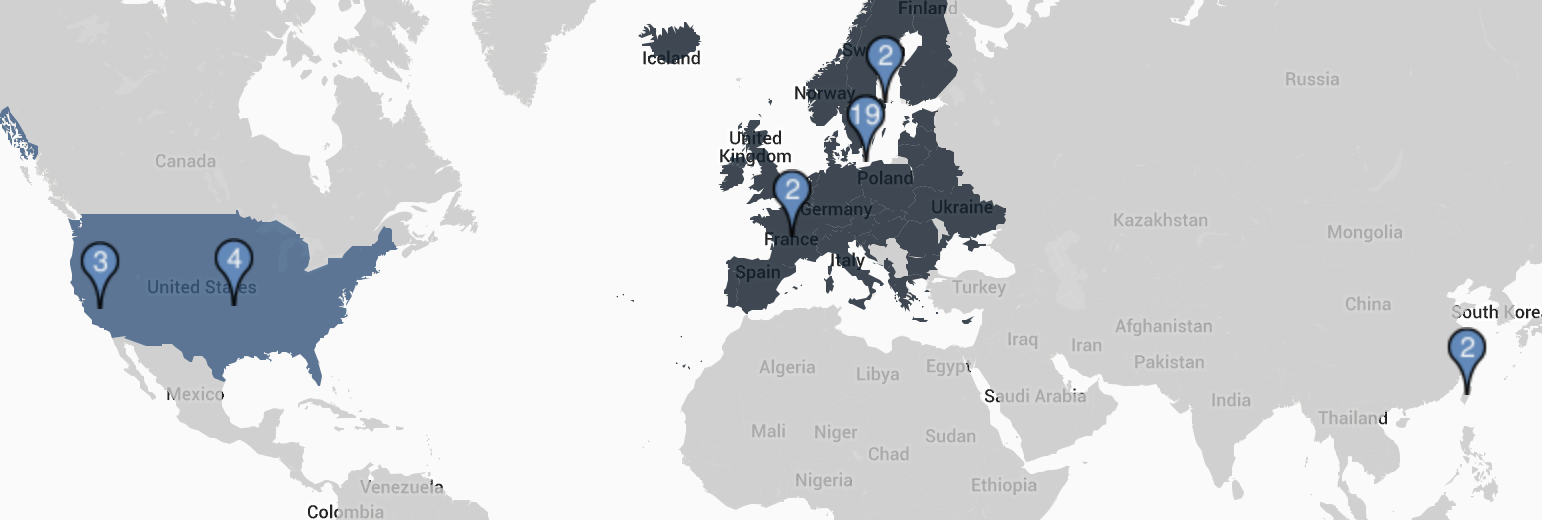
Scientific evidence shows that exposure to DEHP may cause adverse effects on development and reproduction functions. The international Agency for Research on Cancer (IARC) considers it “possibly carcinogenic to humans”. DEHP is regulated in various countries across the world; click on the below figure to have access to the DEHP regulatory map.
In 2008 Europe classified DEHP as Substance of Very High Concern (SVHC) and in 2011 introduced it in the Authorisation List (REACH Annex XIV). Starting from February 2015, DEHP cannot be used unless a company-specific authorisation is obtained.
In August 2013 three companies, VinyLoop Ferrara S.p.A, Stena Recycling AB and Plastic Planet srl, asked to the European Commission the authorization to use recycled soft (PVC), which contains DEHP, merely present as a (largely unwanted) impurity, in industrial processes (calendaring, extrusion, compression and injection moulding) to produce PVC articles.
On October 2014 the European Chemicals Agency sent to the European Commission the opinions of the Committees for Risk Assessment (RAC) and Socio-Economic Assessment (SEAC):
Based on RAC and SEAC opinions, in October 2015 the European Commission, through a draft implementing decision, considered appropriate to grant an authorisation for the uses requested by VinyLoop Ferrara S.p.A, Stena Recycling AB and Plastic Planet srl, provided that the necessary risk management measures and operational conditions, as identified in the chemical safety reports, are fully applied.
The final decision in now in the hands of the European Parliament, which seems to not support the European Commission. On the 9th of November the Parliament’s Environment Committee voted a draft motion for resolution in which the request for authorisation is rejected, meaning that further production of products made from recycled PVC, containing DEHP, should not be allowed.
The Environment Committee indicated that DEHP has a wide range of substitutes and the applicants have not provided a comprehensive analysis of alternatives available on the market. The fact that DEHP is present in recycled materials is not a relevant consideration for granting an authorization. Since the applicants have not demonstrated socio-economic benefits and implications, the authorisation should not be granted.
On the 25th of November the European Parliament voted against the European Commission Decision. The non-binding resolution was passed by 603 votes to 86, with 5 abstentions. According to the Parliament, "it is not acceptable to tolerate potentially numerous cases of male infertility simply to allow soft PVC recyclers and downstream users to save costs in the production of low-value articles so as to compete with low-quality imports" and "recycling should not justify the perpetuation of the use of hazardous legacy substances”.
According to the European Council for Plasticisers and Intermediates (ECPI): "This objection could undermine PVC recycling, which in Europe represents about 200k tons per year of flexible PVC, for uses which have been proven to be safe". The Council of Ministers, which still has to vote on the European Commission proposal, must approve or oppose the authorization by a qualified majority vote. If there is no qualified majority, then the decision will be the responsibility of the European Commission.
Related links:
Author:

Follow Lorenzo:
2013 © MyChemicalMonitoring. ALL Rights Reserved. About Us | Terms and Conditions