
Chemycal has been acquired by 3E
Learn MoreChemycal has been acquired by 3E
Learn More
Discover how Chemycal PRO helps you boosting your regulatory monitoring:
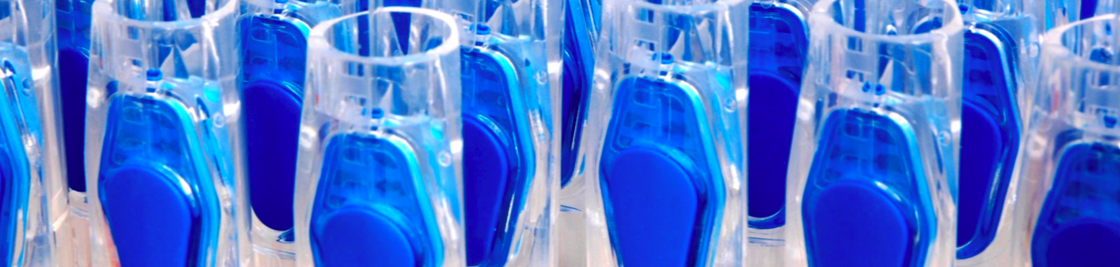
Concern for the safety of vulnerable groups such as infants, pregnant and breast-feeding women when exposed to bisphenol A (BPA) through medical devices have recently been raised. Such medical devices include include implants, catheters, and most dental devices.
Several exposure scenarios have been evaluated taking into account the material used, information related to BPA leaching, the duration of a single treatment and the frequency of treatments, giving rise to toxicologically relevant acute, short and long term exposure.
Concerning exposure via the oral route, it can be concluded that the long term exposure to BPA via dental material poses negligible risk for human health associated to BPA exposure. Some risk for adverse effects may exist, when the BPA is directly available for systemic exposure after non-oral exposure routes, especially for neonates in intensive care units, for infants undergoing prolonged medical procedures and for dialysis patients.
In spite of this, it should be considered also the benefit of medical devices: the survival of neonates, for example, often depends on the availability of the medical devices which causes a relatively high BPA exposure. The possibility to replace BPA in these products should be considered against their efficiency in the treatment, as well as the toxicological profile of the alternative materials, when available.
However, better data on exposure would be beneficial for the refinement of the present risk assessment, to be carried out when new data on exposure via medical devices will be available.
2013 © MyChemicalMonitoring. ALL Rights Reserved. About Us | Terms and Conditions