
Chemycal has been acquired by 3E
Learn MoreChemycal has been acquired by 3E
Learn More
Discover how Chemycal PRO helps you boosting your regulatory monitoring:
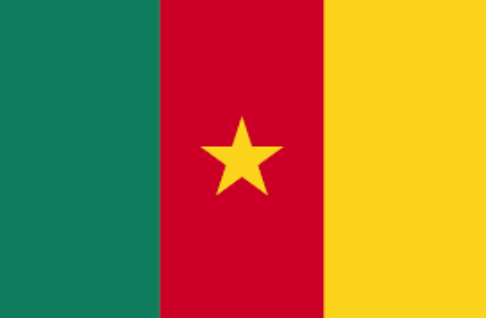
One of the primary aims of the Rotterdam Convention is to promote shared responsibility and cooperation in the international trade of hazardous chemicals. As a global treaty, it aims to protect human health and the environment by advising emerging nations on safe ways to store, transport, use and dispose of hazardous chemicals. We spoke with Mr Albun William Banye Lemnyuy from Cameroon’s Ministry of Environment, Protection of Nature and Sustainable Development about how the Convention affects the import of hazardous chemicals into his country.
Under the Rotterdam Convention, designated national authorities of importing Parties need to give prior informed consent (PIC) before any exports of banned or severely restricted chemicals from the exporting country can take place.
Importing and exporting Parties are also required to exchange information with each other, and to notify the Rotterdam Convention’s secretariat when action is taken to ban or severely restrict a chemical in their countries.
These obligations aim to protect countries from unwanted imports of hazardous chemicals.
CONTINUE ON www.newsletter.echa.europa.eu
2013 © MyChemicalMonitoring. ALL Rights Reserved. About Us | Terms and Conditions